Photographing a Hilltop Estate with an Observatory
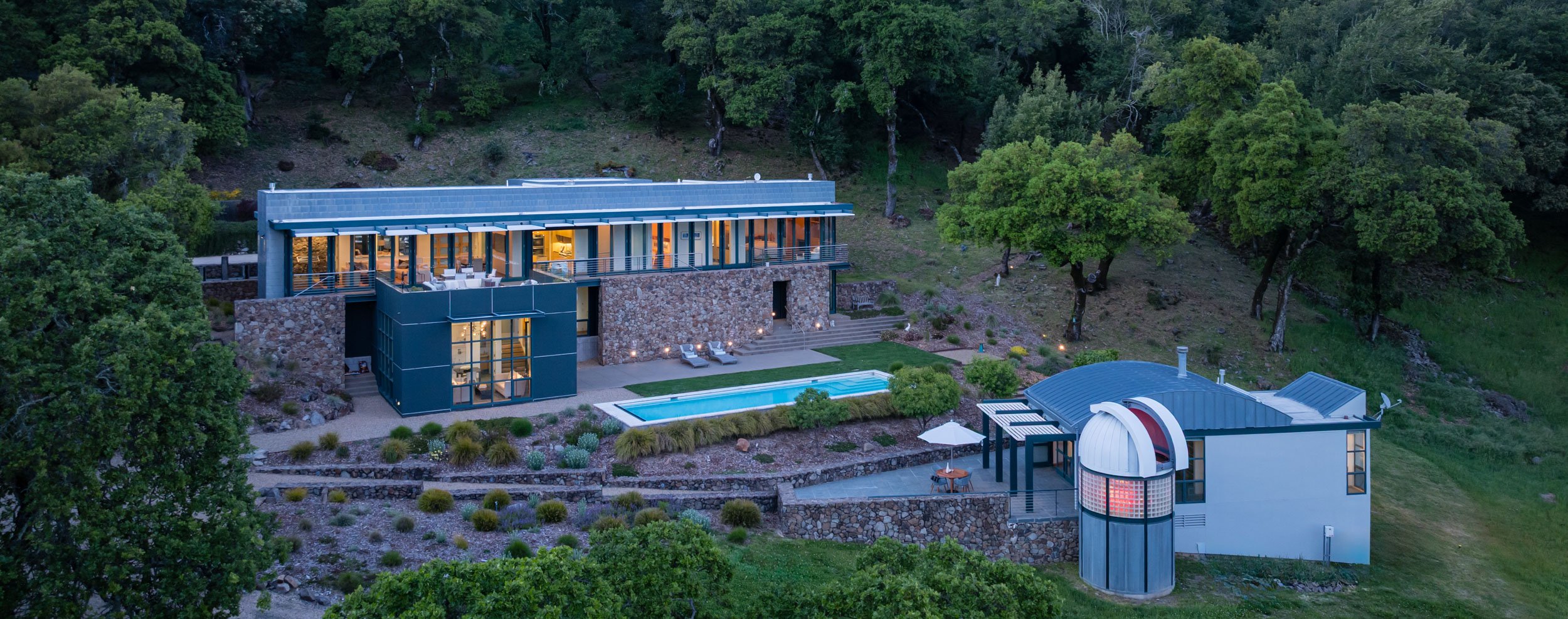
Luxury Real Estate & Architectural Photography in Northern California
(Architect-Designed Contemporary Residence)
Some properties resist easy categorization — and this Sonoma hilltop residence was definitely one of them.
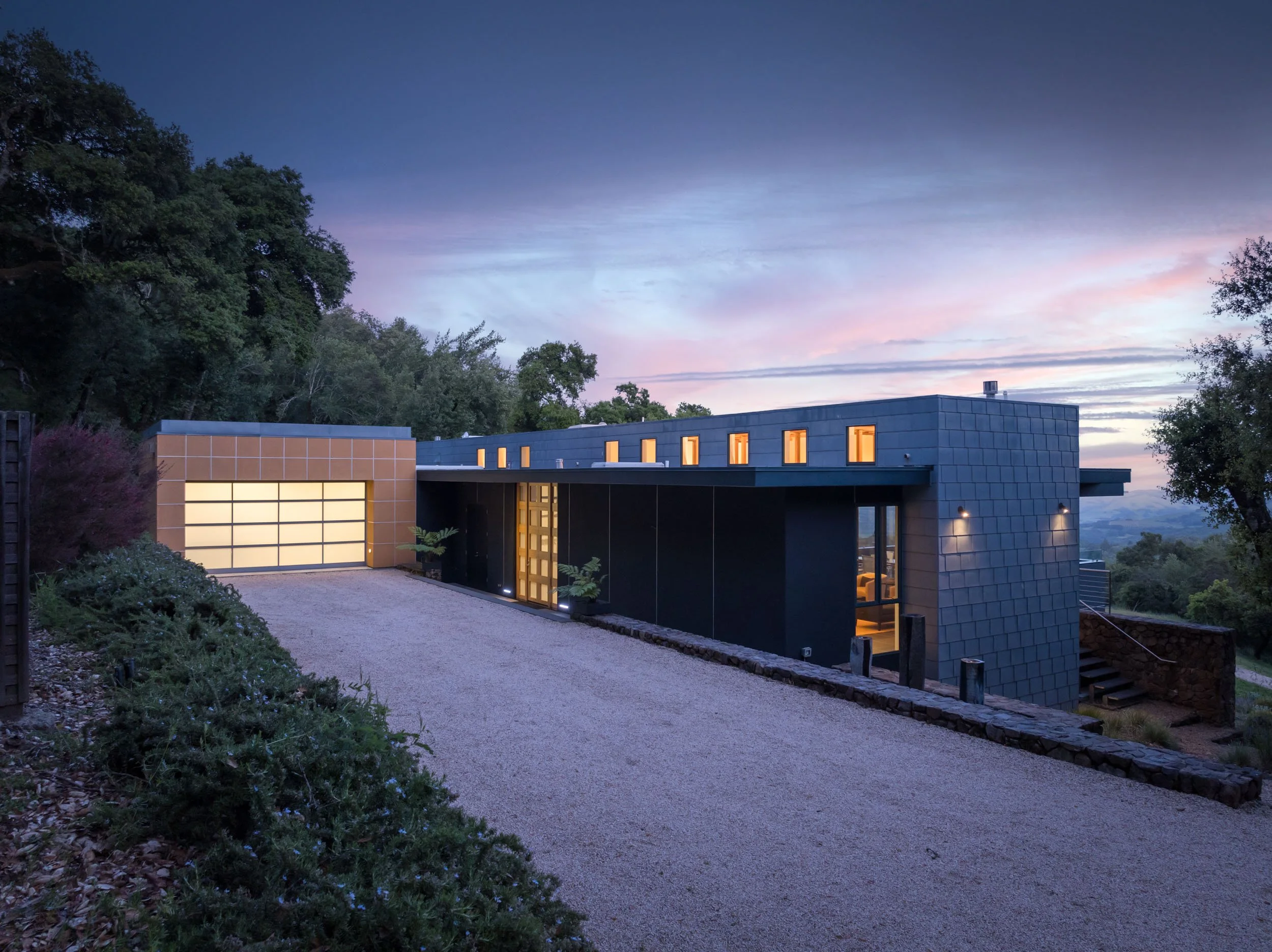
Perched above the surrounding landscape with long views across Wine Country, this contemporary estate was designed and built in 2006 by Daryl Roberson, FAIA, founder of Studios Architecture, as a home for his own family. That origin story matters. This wasn’t a speculative project or a house designed to appeal to the widest possible audience — it was a deeply personal architectural expression, shaped by an architect with a strong point of view.
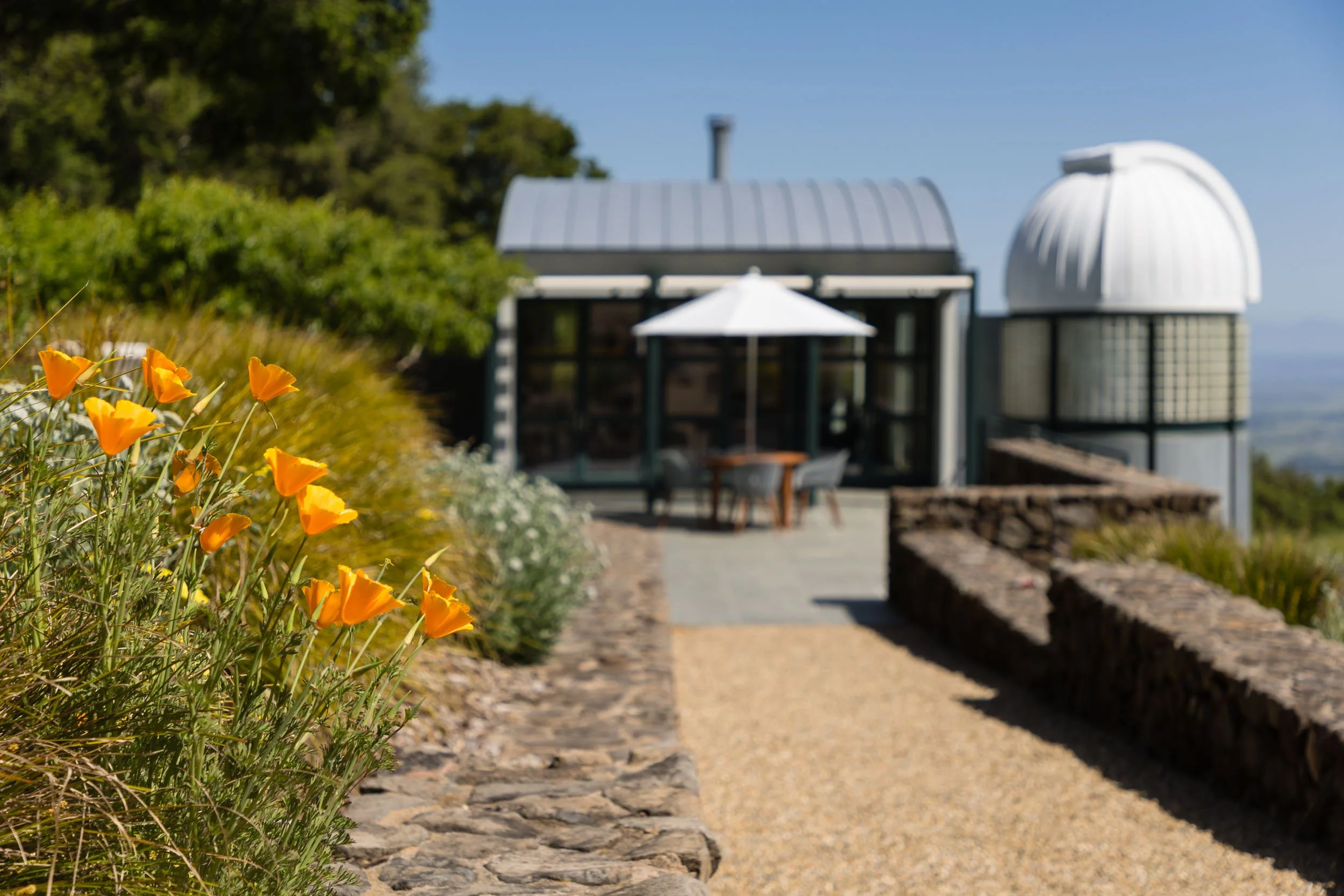
Most notably, the home includes a fully integrated private observatory, a space that reflects the owners’ serious engagement with astronomy and their professional ties to the cosmos. It’s not a novelty feature; it’s a meaningful part of how the architecture is experienced and lived in.
I was brought in by the Living in Wine Country Group at Compass Luxury to provide luxury real estate photography as part of their marketing campaign for the property. From the outset, the goal was to create imagery that respected both the architectural intent of the home and the level of care required to present a truly singular residence.
Architecture with a personal point of view
Because this was designed by an architect for himself, the house carries a clarity and confidence that’s immediately apparent. The architecture prioritizes experience over trend: how light enters the space, how materials age, how indoor and outdoor environments relate to one another.
Key architectural characteristics include:
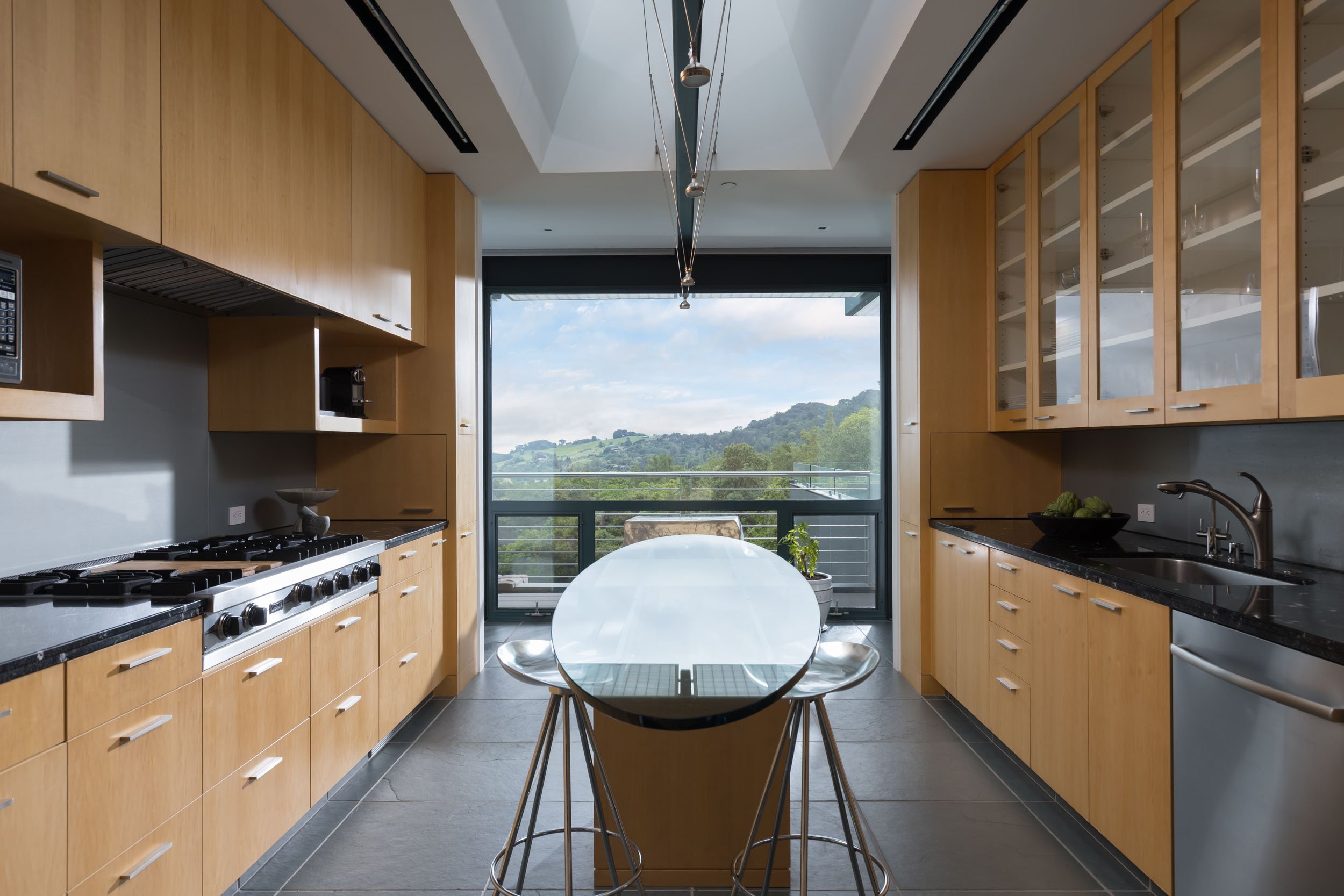
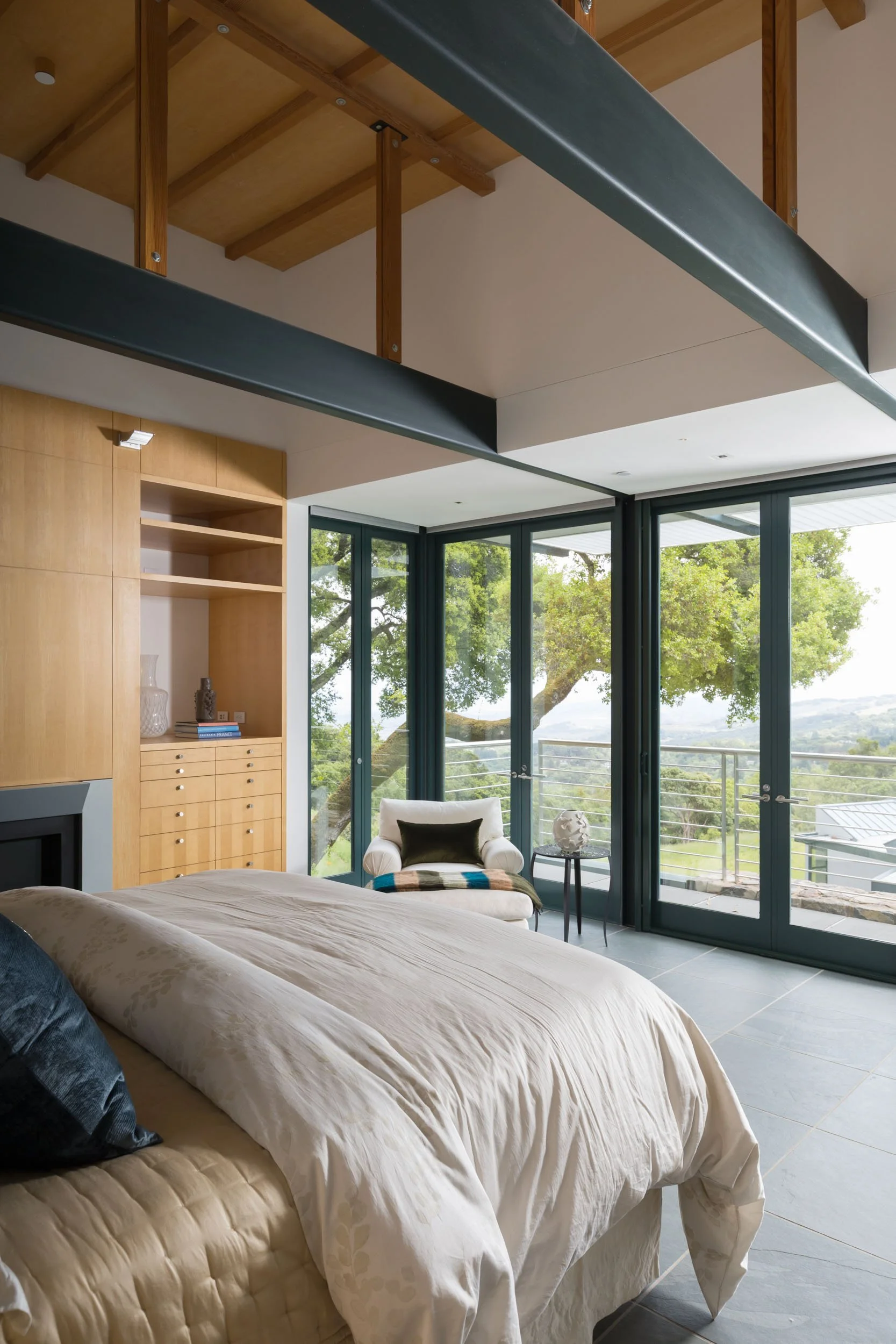
strong indoor–outdoor connections through expansive glazing
a material palette that includes stone and metal, grounding the house in its hillside setting
generous outdoor living areas oriented toward long views
a plan that balances openness with moments of retreat
specialized spaces, like the observatory, that extend the program beyond the conventional
For architects and designers, this is the kind of project where intent is legible — where you can see decisions playing out across structure, materials, and siting rather than being layered on after the fact.
Understanding the real brief
At the high end of the market, the audience is small and discerning. My task wasn’t simply to document the house, but to help communicate why it matters — architecturally, spatially, and experientially.
The brief, as I understood it, was to create photography that goes beyond the expected norms of real estate imagery. The photographs needed to signal care, investment, and thoughtfulness, without overstating or overselling. Especially with architect-designed homes, restraint is often the most effective approach.
This is where architectural photography and luxury real estate photography overlap: telling a visual story that’s accurate, emotionally resonant, and respectful of the design.
Working with light when the sun doesn’t cooperate
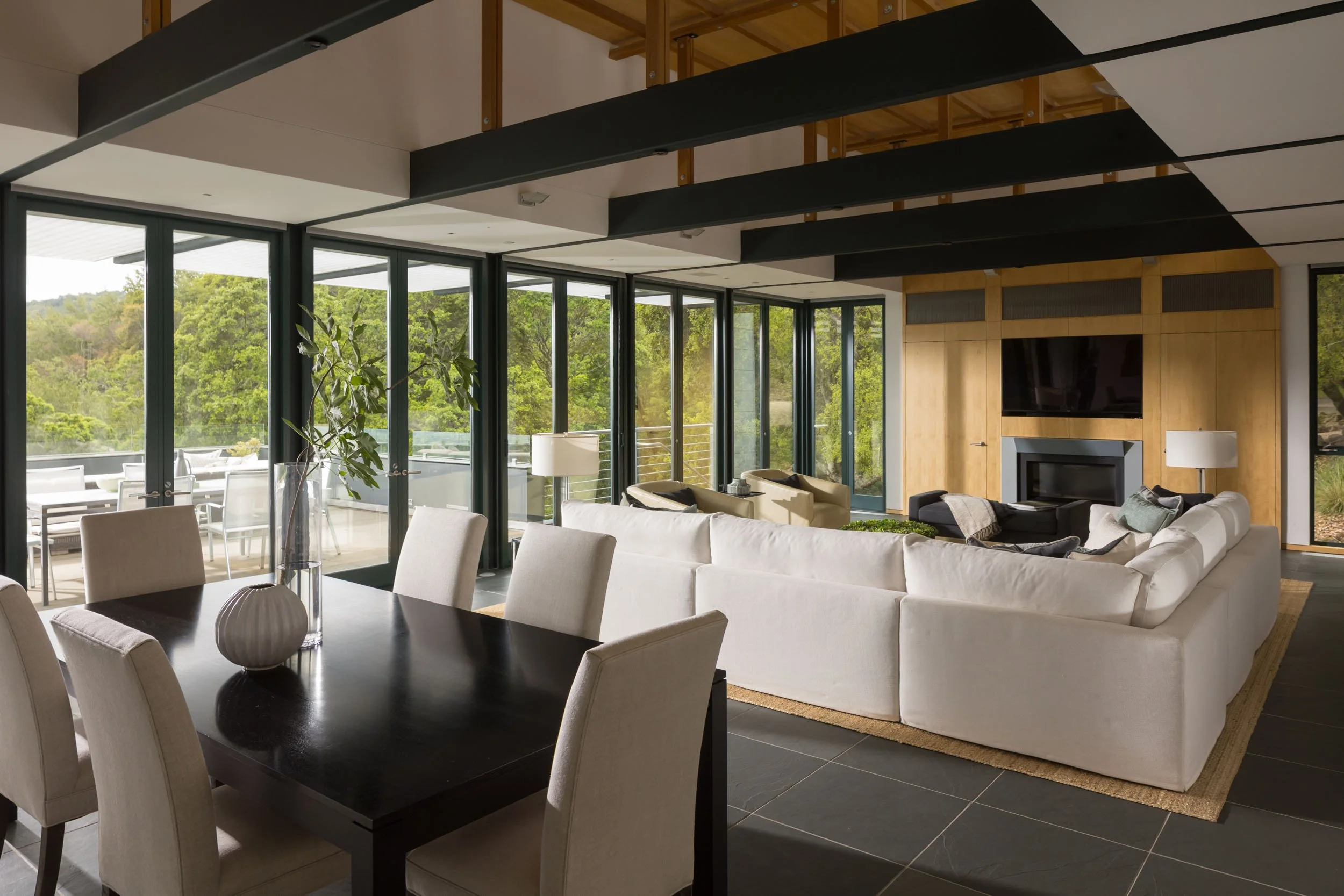
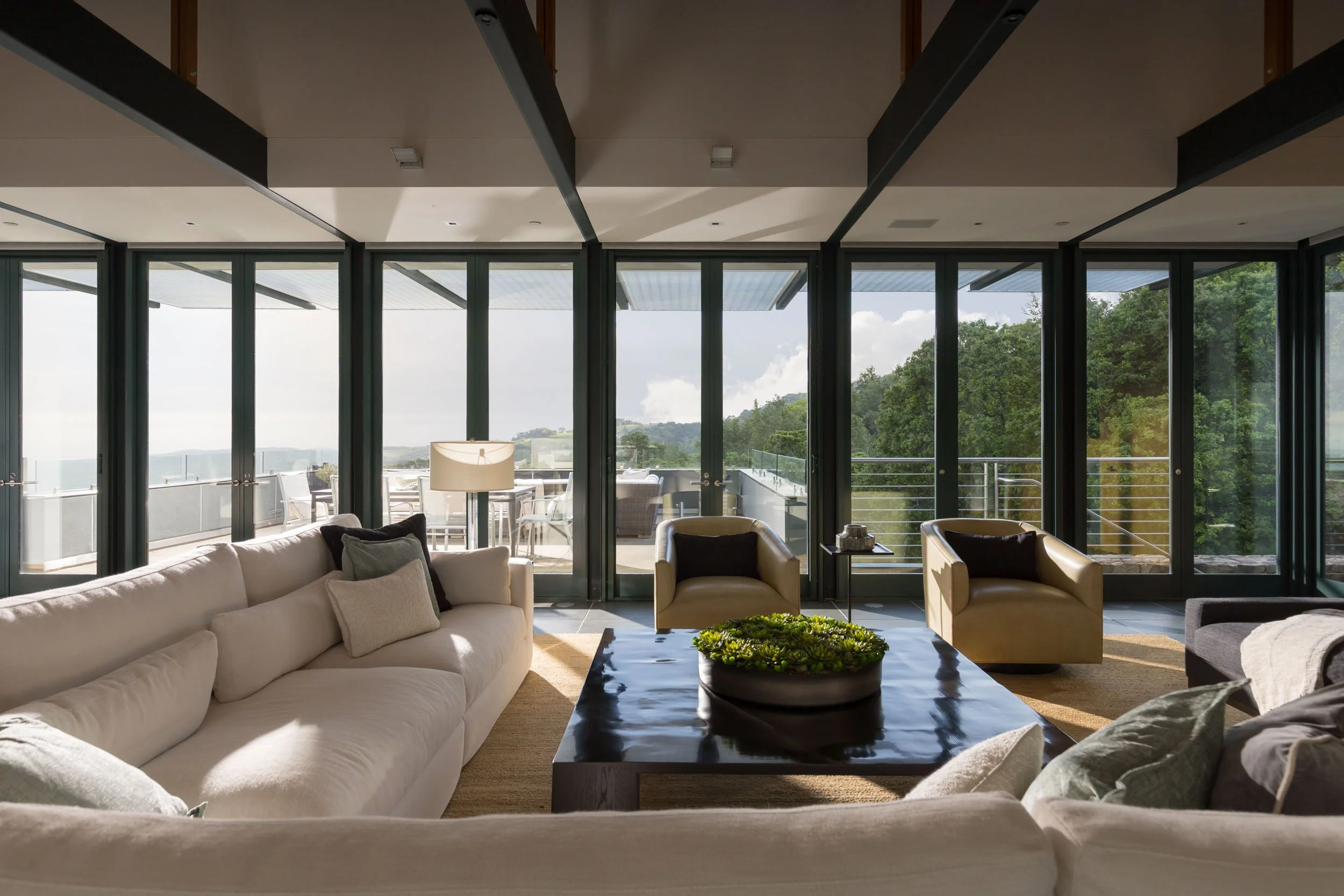
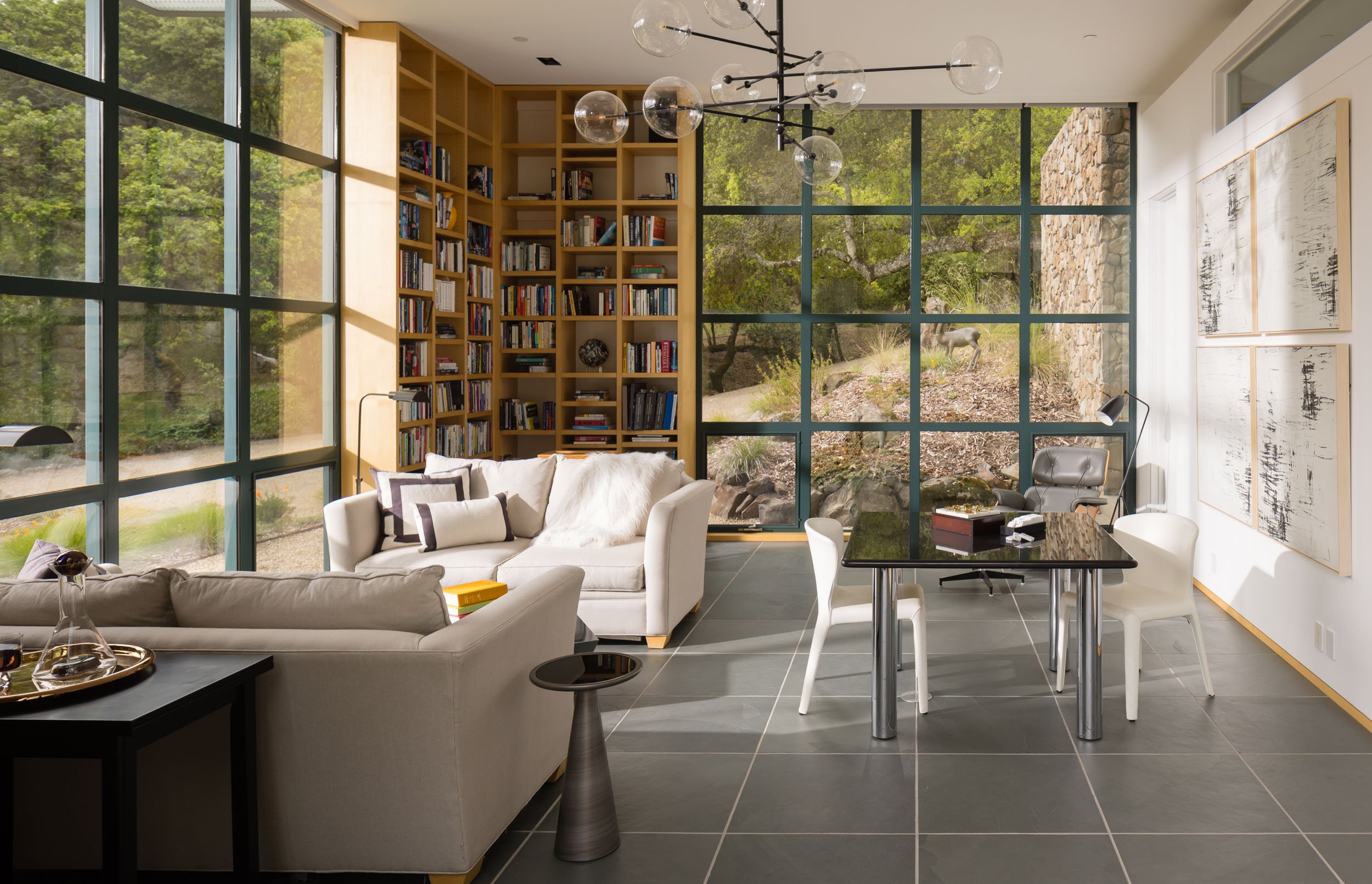
The interiors were scheduled to be photographed on a day that stubbornly refused to deliver sunshine. Rather than postpone indefinitely, my assistant Tim Marsolais (an accomplished commercial photographer himself) and I chose to build the light ourselves.
Large strobes were placed outside the windows and carefully shaped to mimic the angle and quality of natural sunlight as it would normally enter the living interiors. The resulting images retain a sense of warmth and directional light that feels natural, even though it was constructed. The goal wasn’t to make the lighting invisible, but to make it believable. I add light on many shoots, but it’s often diffuse, shot through a silk or a less-focused modifier like a parabolic. Here, though, I opted for a deep dish reflector (some call it a Magnum, but Tim and I call it the Super Mega Ultra Lightning Reflector, from a memorable line in The Incredibles.) I didn’t just want light, I wanted light that could pass as sunbeams, and for that, I need a small, focused source. A wider reflector would give me light that spreads at too wide an angle, which would not look right. I need to get the light further from the building, and for that, I need a focused beam.
For the exteriors, landscape, and broader site context, I returned on a separate day when the sun did cooperate. For wine country architectural photography, real light on real terrain makes all the difference.
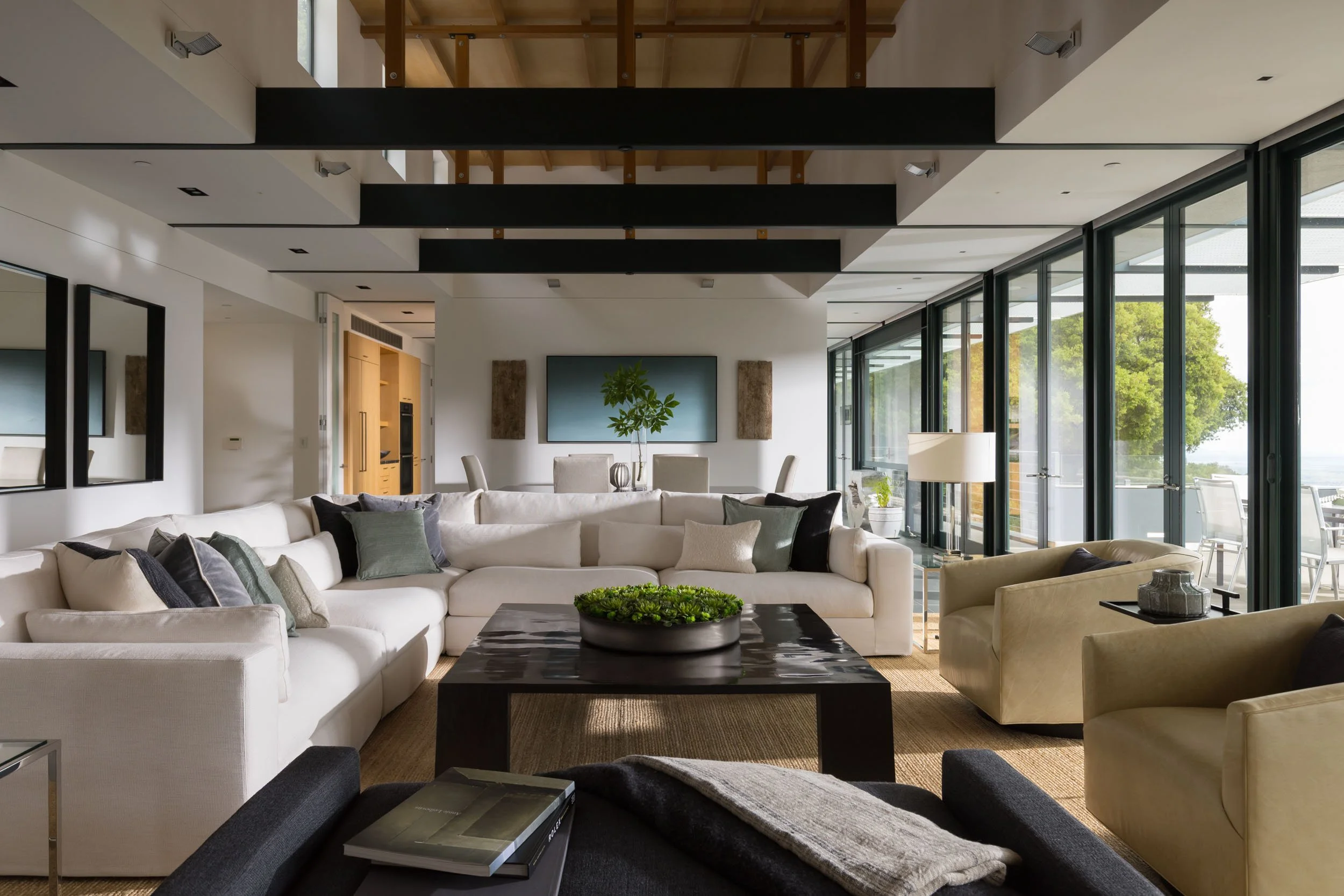
A living room / dining room / kitchen view, shot on a cloudy day, with strobes used to mimic late afternoon sunshine
A site best understood from the air
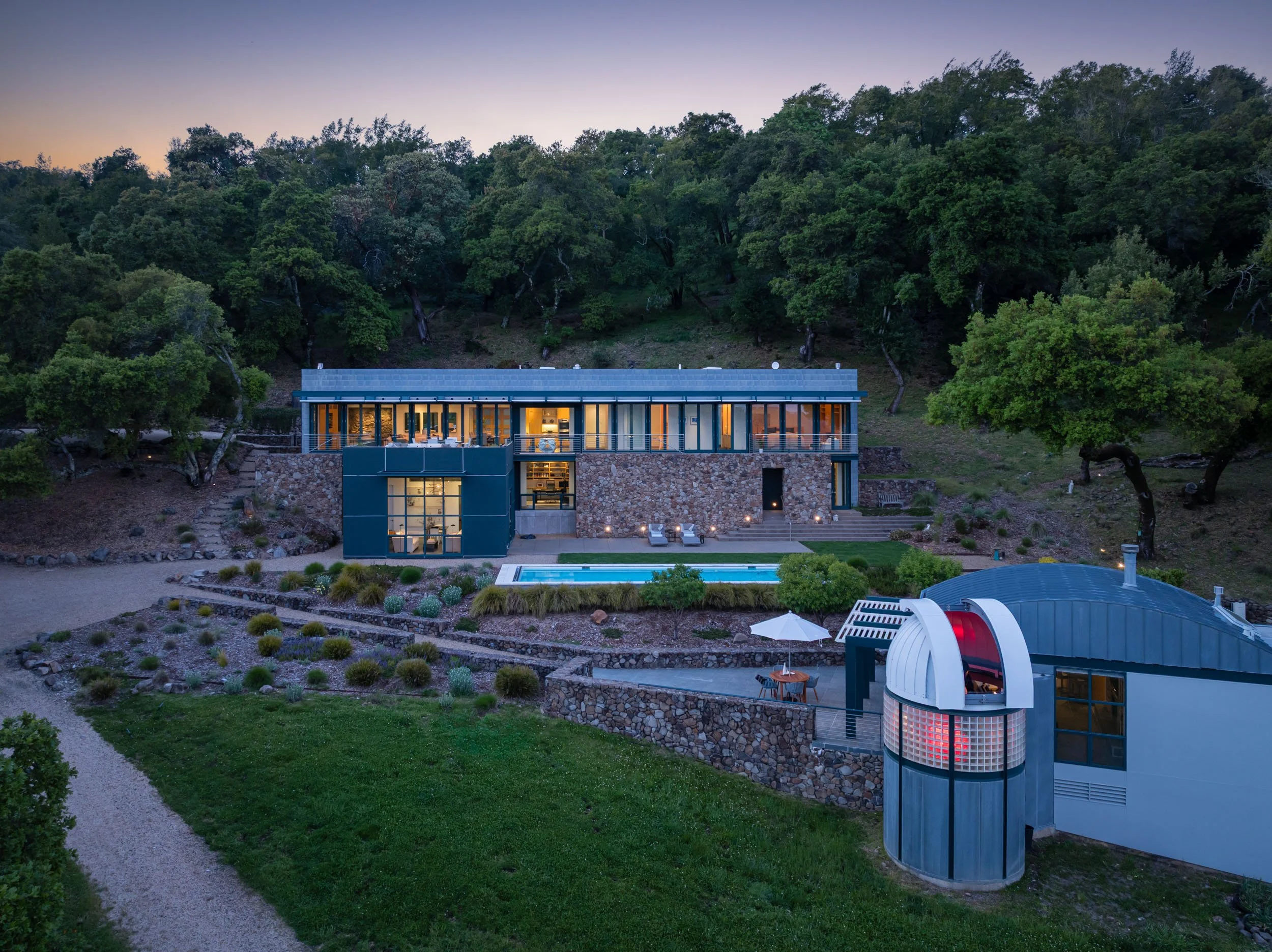
Much of the architectural story of this home is tied to how it sits on the land. The downhill side of the site reveals the full scale of the setting, with views that stretch for miles.
From ground level, that relationship is difficult to read. Aerial photography was therefore essential — not as a visual flourish, but as the most honest way to show how the house engages with its hillside context.
For architects, this perspective is often the most revealing: it shows proportion, siting, and how architecture and landscape work together as a single composition.
When interpretation becomes part of the work
Two images in this set benefited from a more interpretive take, or… maybe I should call it a playful one.
One is a twilight aerial that was carefully edited to deepen the sky and emphasize the observatory’s presence. It’s much more of a heavy-handed edit than my usual work — and everyone involved was aware of that — but it felt appropriate for a property whose identity is so closely tied to the night sky. {Of course, I delivered a normal edit, too.)
The other is an interior image of the observatory itself. In the most bizarre coincidence, Tim showed up that day with an LED tube light that he’d just purchased to play with. He explained that it could be tuned to multiple different colors to create effect. Aside from occasional gel use to balance color temps, I never change the color of light, and something like this would never come on a shoot with me, never mind get used. But here… it presented an opportunity. This is not the first time this property, or this observatory, has been photographed. And particularly for real estate, it can be of benefit to have some key images that grab attention, that people won’t just scroll past. Make them do a double-take. As we approached dusk, we learned that the observatory already has a red light, a very faint one. They’re used in environments where you want some light, but don’t want your eyes to readjust to brightness—you want to keep your night vision. so, here, red was legitimate! The existing red light being WAY too dim to register when we were shooting, the LED tube was just the thing. (It helped with the aerials, too—that’s why the red glow is visible.) On the near side of the telescope, we hit it with some blue light. The telescope is blue, and there’s not red in blue, so the hardware would otherwise read black. Then it was just a matter of composting it all together, including adding a starry sky from another photo taken another place and time. As for the final… is it literal? Not entirely. Is it faithful to the spirit of the space? I think so.
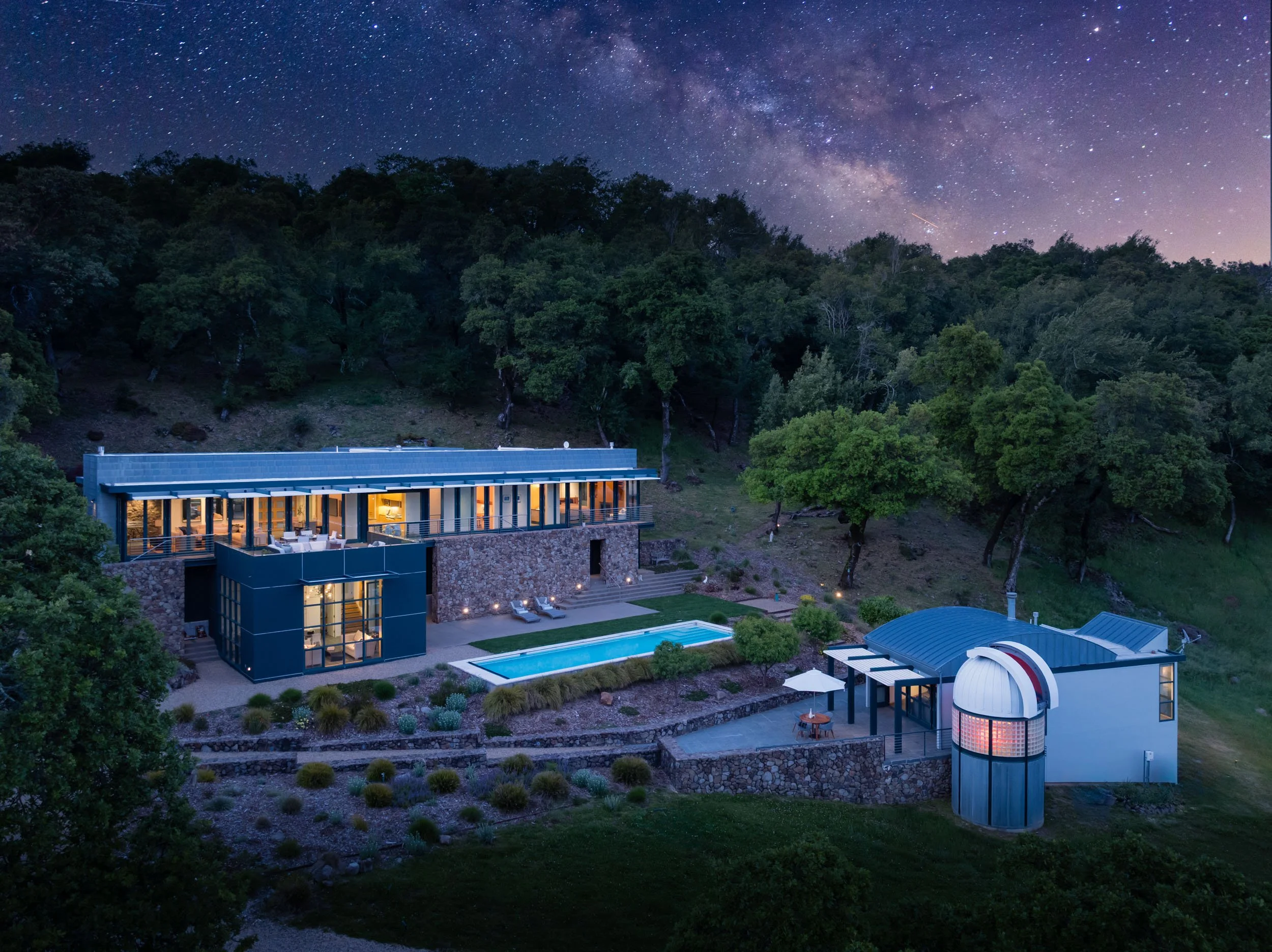
a drone aerial perspective composited with a night sky to emphasize the unique character of this property
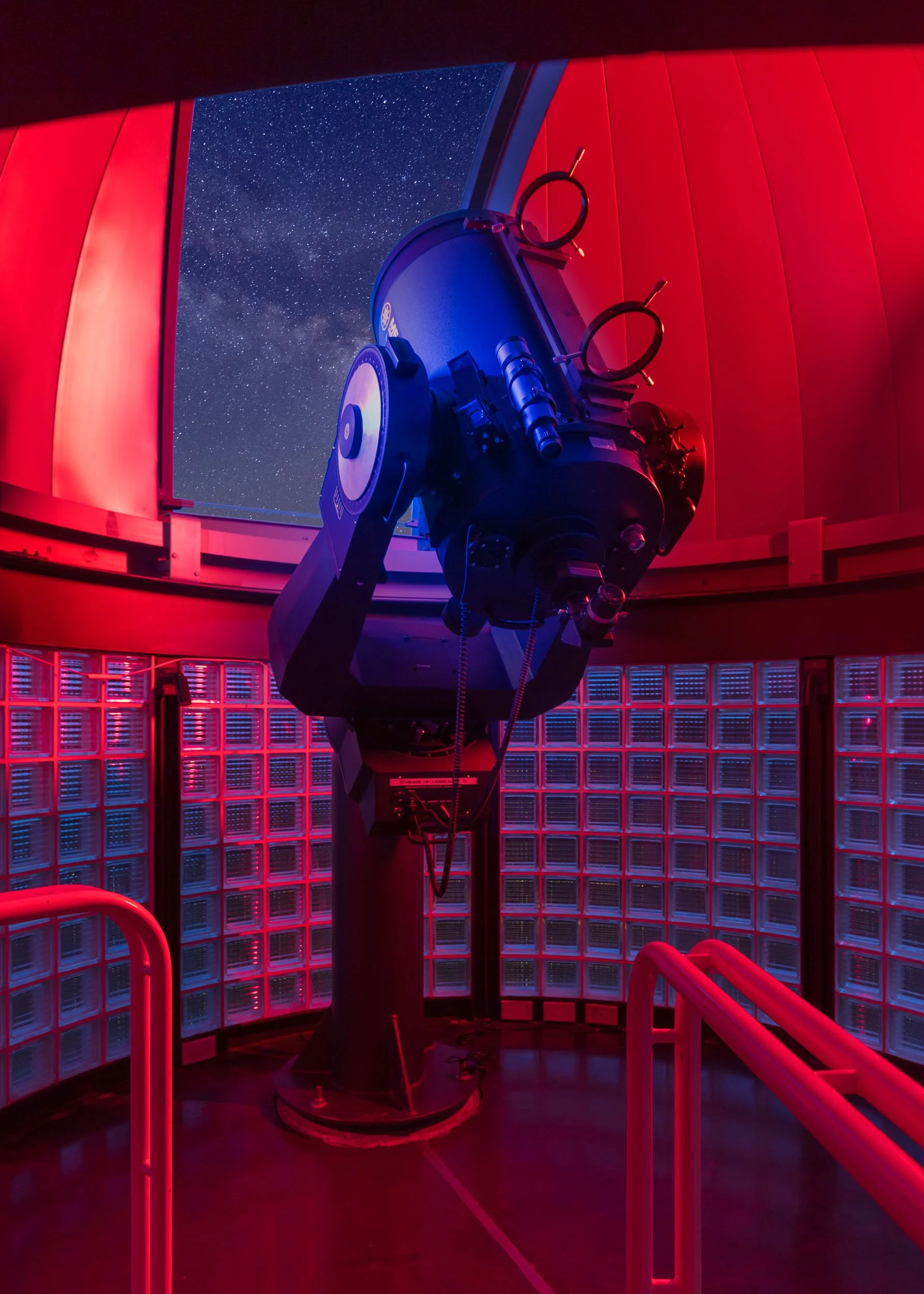
the private observatory, composited and lit for dramatic effect
Why projects like this matter to me
This project reflects the kind of work I want to continue doing: thoughtful, high-end architectural subjects that both demand technical expertise and allow me creative judgment. When I’m asked to photograph a property like this — whether for architects, designers, or real estate teams — I’m deeply aware of the trust being placed in me. The images become part of a much larger effort, one that reflects my clients’ standards, their relationships, and their professional reputations.
My goal is always to create photographs my clients can feel proud to stand behind, knowing they’ve assembled the strongest, most carefully considered visual presentation possible.
I’m extremely grateful for that trust. Projects like this are demanding, but they’re also exactly why I enjoy this work as much as I do.