
Why I'm shooting 4x5 film in 2026
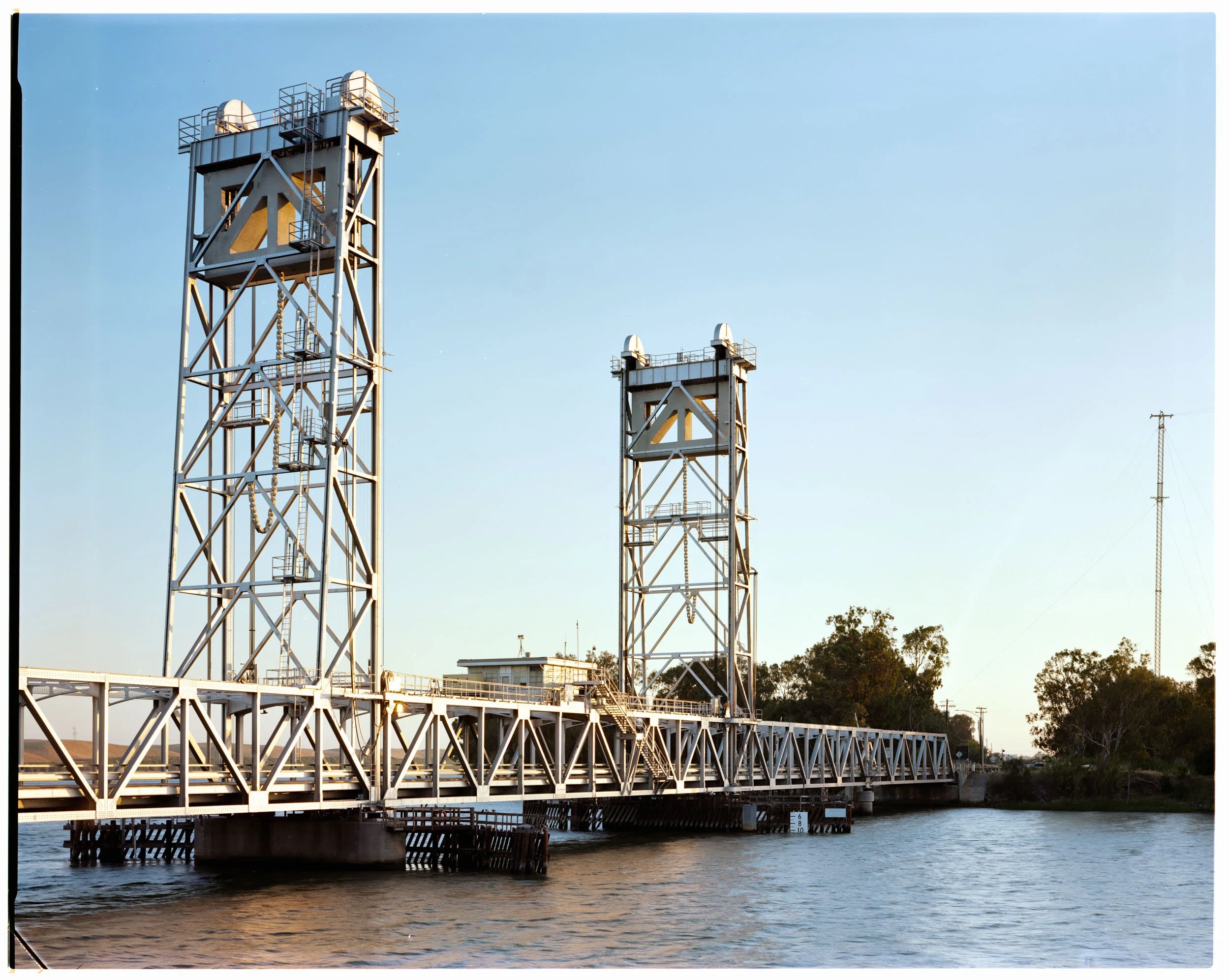
Three Mile Slough Bridge, Rio Vista, California - shot on Kodak Ektar 100 4×5 film
As the calendar rolled over from 2025 to 2026, I entered my 20th year as a professional photographer. I feel incredibly fortunate to get to make my living doing something that I genuinely love so much. I'm aware there are many people who'd love photography but have never been able to make it their career, even though they'd like to. There have been plenty of challenges along the way, yes, and mistakes have been made, but there's nothing I'd rather be doing, and I'll take the whole package.
I've always been an enthusiastic adopter of new technology. This doesn't mean I'm the first to buy every new camera, but I so appreciate how the tools we photographers get to use continue to evolve to make our work both better and faster. I learned photography shooting film, starting back in 1983 when my parents gifted me a Canon AE-1 Program. (An ordinary and trope-like origin story shared by, it seems, about half the photographers I know.) But when digital photography came around, I was excited about it. I started into it early, and rarely ever looked back. I love so much about it. The instant feedback. The flexibility and adaptability. And the digital darkroom! I've been using Lightroom and Photoshop throughout my professional career and am still learning. These are the tools I use to make my photos really my own. I value having my hand in it through the whole process.
So when my step-son, Joe, told me he'd enrolled in a photography course at the local junior college, and said they were shooting film, I railed against it. "What a disservice to young people who might hope to make photography a career! They should teach them something they can use, and something they can sell, something that clients need, not some outdated process."
But at the same time, apparently, other thoughts were at work below the surface of my mind. These digital tools I'd been so excited about for so long had started going so far that they were not just creative tools, but were becoming creative shortcuts, with even Adobe running an ad saying, "skip the photo shoot!" And in my industry — architectural and real estate photography — AI-generated twilights, AI-generated people, AI-generated staging and styling, AI-generated re-lighting of entire scenes, even whole landscapes, were showing up more and more often. Some clients had begun saying, "we can just AI that in." And I think I might have lost an architecture shoot over my refusal to add people to a scene using AI tools. (I pushed for just shooting it populated with real people.)
So, I suppose, in the back of my mind, a return to a medium that's physical, chemical, tangible, real, and difficult to alter began to hold real appeal. By March, I'd purchased a Chamonix 45F-2, a large format 4x5 film camera, and have since added a 50-year-old fully mechanical Canon F-1n as well. And while my professional architecture and real estate photography work here in the Bay Area is still shot digitally — and I expect it will remain so — I've begun shooting some film here and there on some of the special projects I'm fortunate to shoot.
Mostly, though, so far, I've pursued large format film photography this year as a personal project, just allowing myself time, some money, and the creative freedom to go explore and re-learn—better, this time—an old process. I'm being super deliberate about it. Watching tutorials, working very slowly, using a spot meter to read parts of a scene to determine exposure with no digital aids. I've made plenty of mistakes, but it's been incredibly gratifying and grounding, and it's begun to influence my day-to-day work, too. The slow and careful process does seep in.
In his book, "The Creative Act," Rick Rubin tells a fable about an old man who spends his days lowering a clay pot into a well by hand, then slowly raising it back up—always careful, always attentive, so it doesn't knock against the sides and shatter.
One day a traveler passes by and watches him work. Why not rig up a pulley, he suggests? It would be faster, easier, and there'd be a lot less risk of breaking the pot.
The old man says no. Doing it by hand forces him to pay attention to every movement, every moment of the process. If he made it easy on himself, he says, he'd stop paying attention altogether—and how good could the water possibly taste if so little care went into bringing it up?
The first time I read that, I was confused, wanting the author to tell me which person was right. But that wasn't the point. I see myself in both of those people. I'm both the old man who wants to use the old ways to do things slowly, carefully, deliberately. And yet I also think the water is the same either way, and the guy with the pulleys would be a lot more efficient at achieving the same task.
And yet… all of this recent worry about AI in real estate and architectural photography, and tools making the same work faster and faster all the time, to the point of doing the work entirely, has taught me that in fact, I care A LOT about the process, about how things are made, and by whom. This is what I love, and I'm going to keep doing it — and doing it as carefully and intentionally as I can. And when I screw up—which I will—that's just part of it. And those mistakes both teach me, and make the successes even sweeter, when I've earned them.
I've recently made these couple of videos for YouTube. They're not masterful—this, too, is something I'm just learning. But I was out there having fun and trying something new. Feel free to come along, if you'd like!